the method
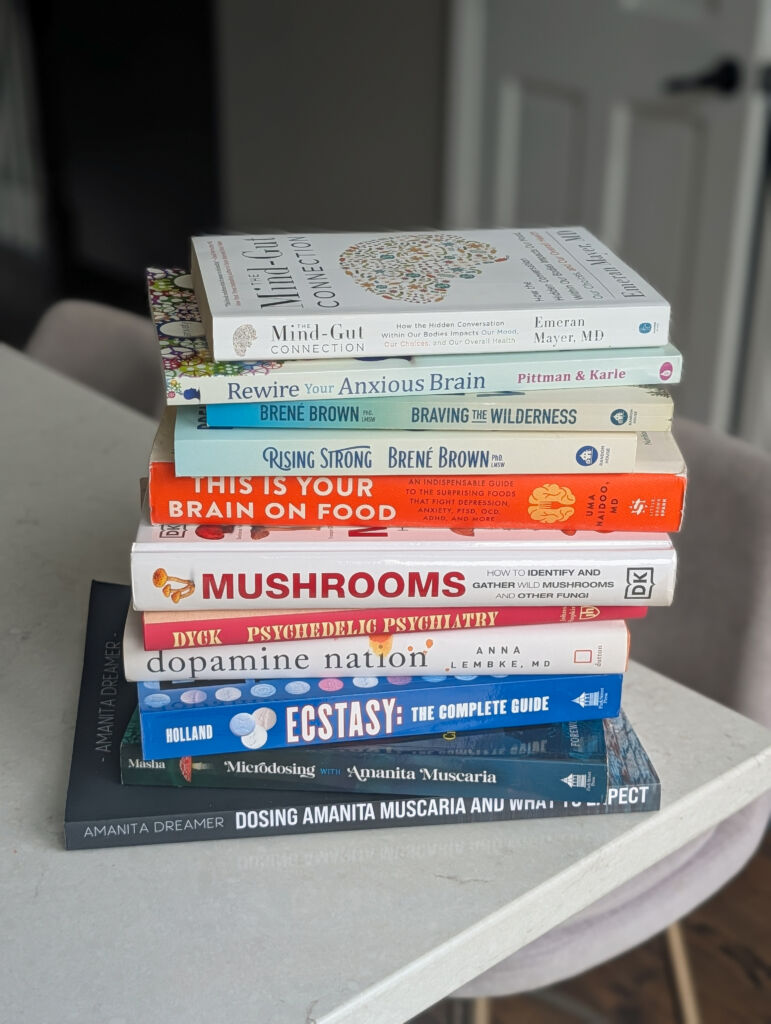
An Unconventional Approach to Psychiatry Defined
My unconventional approach is grounded in an integrative philosophy. This means that an individual’s state of wellness or illness is viewed as the result of a combination of vulnerabilities and advantages.
Symptoms and disease progression occur at the crossroads of these vulnerabilities and advantages. They are always at odds with one another. They include biological and social factors, lived experiences, behaviors, and beliefs.
Integrative psychiatry seeks to help patients nurture protective factors and mitigate risks that contribute to their psychological and neurological symptoms. It is a quest to understand an individual’s unique ecosystem of complex dynamics. Effective and sustainable treatment plans are built by understanding the interconnectedness of the whole.
My practice of integrative psychiatry is grounded in relationship building, sustainable pharmacology using microdose polypharmacy, nutritional counseling, and the destigmatization of psychedelics as neuroplastic tools.
Relationship building is an important prerequisite to providing effective care. It’s just as crucial for an individual’s life journey. Wellness grows in the fertile soil of safe relationships with others. They are required for individuals to survive and thrive.
Sustainable pharmacology means that the benefits outweigh the risks for biologically active compounds taken. It requires consideration for both the short and long term. I’ll offer a different perspective on treatment interventions and encourage you to reconsider how you think about psychoactive compounds.
Neuroadaptive therapies catalyze healing by reorganizing information, reprogramming pathways, and enhancing connectivity by establishing new information networks in the brain. Examples of neuroadaptive and neuroplastic therapies include TMS, EMDR, and psychedelics.
We are living in a psychedelic renaissance movement, yet many patients are afraid to talk to their doctors about their illicit drug use. Having been profoundly impacted both personally and professionally by these therapies, I intend to contribute to a culture that destigmatizes their use in healing and recovery.
Within the shifting tides of the legislation, psychedelic therapy in a medical setting will always be limited to agents that are sanctioned under the law.
Most aren’t using psychedelics in a medical treatment setting, so an ethically minded clinician must be prepared to counsel on harm reduction strategies. After all, the first doctrine of medical practice is “primum non nocere,” meaning “first, do no harm.”
Now that you have an idea of where I’m coming from, let’s dive in.
table of
contents
table of
contents
integrative psychiatry
Integrative Psychiatry is a model for sustaining and enhancing brain health as much as it is a treatment for brain dysfunction. Prevention is the most effective treatment. Growth can look like the betterment of the well individual. Healing is not only for the “ill.”
Integrative psychiatry views an individual as a whole and considers the interplay of physical, emotional, social, and spiritual factors that influence well-being.
Integrative means individualized.
Treatment plans must take into account one’s physical and emotional health, life circumstances, and past experiences, as well as current and past experiences with psychoactive substances like medications, food, and drinks.
Integrative means synergistic.
Research tells us that treatment plans that include multiple interventions are more effective than those relying solely on a single intervention.
Signing up for an integrative approach is an acknowledgment that one cannot achieve higher states of health through a “solution,” like medication. Willingness to participate in complementary wellness strategies helps to lessen one’s “dose load,” or the combined dosage of all medications being taken at a given time.
Mental health symptoms rarely emerge from a single underlying cause. Because there is no single cause, there is no single solution. The more wellness strategies one incorporates into practice, the more dynamic their experience of mental and physical health can be.
Complementary therapies can take multiple forms. They may include psychotherapy, regular exercise, mindfulness, meal planning, spiritual practices, ketamine treatments, TMS, EMDR, or neurofeedback (just to name a few).
Relationship building is an essential complementary wellness strategy. The need to form meaningful social bonds is hard-wired in the DNA of humans.
Integrative means community.
Community is a place to exist and an action to take part in. It demands collaboration and vulnerability. It breeds camaraderie and reciprocal support.
Integrative Psychiatry is a collaborative approach to wellness. Community paves the road to progress for patients and professionals. Professionals, too, must engage in an ongoing learning process to remain relevant and provide the highest quality care.
Openness to an integrative approach requires recognizing that a single individual cannot meet all of one’s needs. Having multiple professionals to rely on increases their chances of meeting varied health goals.
One will get the most out of their life and treatment if they can build a community and support network: a tribe of friends and/or family members in their personal life and a collection of professionals they clique with and feel they can depend upon.
For those who have not “assembled” their teams yet, know that simply wanting to have one is a wonderful place to start.
For many, a psychotherapist is a crucial team member. Others have primary care providers, physical therapists, movement coaches, naturopaths, or acupuncturists. There is no “right” or “wrong” approach.
A complementary bond with a trusted medical professional is essential for success in the pursuit of a sustainable and effective treatment plan.
Sustainable Psychotropics
Physician associates and psychiatry providers make treatment plans that include consideration for prescribed psychiatric medications. Prescription medications are just one form of psychoactive compounds. Psychoactive chemicals interact with the nervous system and have the potential to alter perception, consciousness, and behavior.
Over-the-counter supplements are also psychoactive compounds. The food we eat, what we drink, and even environmental contaminants have psychoactive properties.
Psychoactive substances can help restore balance in the body’s messaging system.
The body expresses physical sensations and emotional feelings to convey important messages. Pain with injury, alertness with danger.
When the body’s messaging system gets out of whack, making sense of all the incoming data can be troublesome. Some messages are loud, bright, or flashing, and others are barely decipherable. Filtering these inputs in meaningful ways becomes much more complicated and labor-intensive.
This can cause a disconnection between mind, body, and reality as one makes choices about which signals to pay attention to and which to ignore. Processing signals from the body as they relate to perceived reality becomes much more complicated.
When there is sustained dysfunction in this messaging system for long periods, prescription medications can be a valuable tool to help the brain sort and modulate signals. A car alarm becomes a ping, allowing one to obtain the relevant clue with less intensity and alarm.
Psychiatric medications can help to reestablish a steady foundation from which it becomes easier to participate in complementary therapies and make lifestyle changes. Prescription medications are one way, but not the only way, to restore balance.
There are tradeoffs between any approach to wellness—each behavior and intervention has its own set of risks and benefits. Choices have different effects on individuals in the short and long term.
Sustainability is a key.
We put our trust in professionals because they are experts who can look out for our future health. Sometimes, we fail to recognize that we need protection from ourselves against our unrealistic expectations.
Within everyone is a healing compass. Even the “perfect” therapeutic cannot work when one is not ready to receive it. Education is a critical tool in empowering individuals to make informed decisions about their health, based on what is sustainable.
Sustainable means well tolerated.
For a treatment to be sustainable, its side effects that impact daily life should be minimized. Ideally, this means little to no side effects from chemical therapeutics, such as prescribed medications.
I strive to inform patients of the risks and benefits of each treatment option so that they can feel empowered to participate in recovery.
Psychiatric medications have a bad reputation for an array of undesired side effects. Side effects can occur for many different reasons. One risk factor for unpleasant side effects is aggressive prescribing.
Out with the medical model.
The standard medical model teaches providers to maximize the dose of any single agent before considering other options. This oversimplified methodology doesn’t produce great results for most people.
Psychoactive substances can be incredibly powerful in small doses. High compatibility between a drug and an individual makes an agent more effective and better tolerated.
While taking a single medication might be more convenient, the cost is a narrow margin of therapeutic benefits with a greater risk of unpleasant side effects.
At Able Psychiatry, Dr. Abdullah Sallaj teaches a protocol called ‘microdose polypharmacy.’ This philosophy seeks to maximize an individual’s therapeutic profile and minimize side effects. It involves optimizing psychiatric medications at their lowest possible dose, often in combination. This approach requires a deep understanding for the therapeutic potential of psychiatric agents as well as a reserve of patience.
Less is more.
‘Microdose’ means tiny doses. The microdose polypharmacy approach helps clinicians to determine an individual’s minimum therapeutic dose. This is determined by starting as low as possible with a drug and providing ample time for changes to unfold.
The brain is slow to learn. It takes weeks and months for neuroplasticity to occur. Having a solid grasp of realistic timelines and a good understanding of the specific ways that substances behave is the key to success.
The mainstream use of the term “therapeutic dose” refers to the amount of medication determined to be “effective” for treating a specific condition. These numbers are determined by limited data sets obtained from clinical trials.
Clinical trials don’t always represent reality. Researchers are incentivized to design studies with condensed timelines.
Not every study will explore a wide range of potential doses or the effects of drugs longitudinally. These factors, and many more, lead to gaps in the understanding of optimal therapeutic dose ranges.
Another limitation is that drug studies use vague parameters (like psychiatric diagnoses) when determining eligibility for participation and what is meant by a successful outcome.
The predominant culture among psychiatric prescribers is to target a particular dose range. Clinicians turn to the internet to find suggested “therapeutic doses” for medications they are prescribing. Providers who prescribe psychiatric medications refer to online data archives, like Epocrates, when making dosing decisions.
Take the drug atomoxetine, for example. Epocrates would suggest that the starting dose to treat ADHD is 40mg with a maximum dose of 100mg, and that it could be increased to 100mg after 2 to 4 weeks.
Atomoxetine comes in 10mg capsules. Why not start there? A body of evidence suggests that it can take the brain up to 6 weeks to adjust to this dose, so why not give it more time? If one is open-minded and patient, they may be surprised to discover what works.
If an individual is worked up to 10mg over 4 weeks, eliminating any other potential variables, a favorable response can be attributed to this low dose of 10mg. However, if an individual is worked up to 100mg in 4 weeks, what dose is the individual responding to? In the latter context, it becomes impossible to know if the therapeutic dose for that individual is 100mg, or 80mg, or 60mg, or 40mg, or 25mg.
Medications have varying effects over time. Therapeutic benefits tend to become more pronounced the longer a medication is in use.
Medications reach their optimal therapeutic potential in a precise window. Often, less is more. It is true that starting lower and going slower takes more time. The drawback to the quick and dirty approach is the increased risk of side effects that impact daily life and drug interactions. Deprescribing is as important as prescribing.
Finding the recipe that works best for someone requires thoughtful and deliberate experimentation. Polypharmacy is the difference between a taco seasoning made with garlic powder and one made with chili, cumin, paprika, garlic powder, and salt.
Polypharmacy means using multiple agents in combination. This practice has a bad reputation because of the standard approach to dosing (the “quick and dirty” one).
Polypharmacy takes on a new meaning.
The most effective therapies rely on the synergistic effects of chemicals. A multivitamin may contain 15 different compounds. Chemotherapy treatments commonly include multiple drugs for the treatment of a single condition.
Even fancy new prescription drugs, such as Contrave, utilize this model. Contrave is a branded prescription medication used for weight loss that is made up of the drugs naltrexone and bupropion.
Microdose polypharmacy means that chemical therapeutics are used in combination at their lowest effective dose.
Synergistic frameworks do not rely on prescription medications only. They include consideration for other psychoactive substances, such as vitamins, supplements, and neuromodulating chemicals.
Each society sets different, often arbitrary boundaries between what requires a medical prescription and what is available over-the-counter. There is too much division between the naturalist approach and conventional medical practice.
Patients will benefit from the dissolution of these rigid lines. Practitioners should maintain an open mind to the variety of agents available and work to expand their understanding of pharmacology beyond the prescription pharmaceuticals taught in school.
Drugs are only one of the psychoactive substances humans consume each day. The caffeine in coffee can sharpen focus. The active cultures in kombucha can improve mood. Nutrition is a crucial tool for the treatment and prevention of disease. Within this unconventional model, nutritional status is an important consideration.
nutritionally enhanced
Food can be a difficult subject to talk about. Dare I say, “diet.” *Shudder*
Food is fuel. It’s love and something deeply embedded in our culture, identity, and lifestyle.
Our attitudes towards food and eating behaviors are complex. Our genetics, life experiences, customs, values, and beliefs influence them. They are shaped by the organisms that have passed through or taken residence in our bodies and the humans who have visited or become deeply intertwined in our lives.
It can be challenging to make sense of the nutrition-related information available to us. Advertisements and labels can be misleading. Everyone seems to have a different opinion about what is “healthy.”
Many of us have had discouraging experiences when attempting to make dietary changes. Worse yet, some individuals have had frustrating or disappointing experiences discussing food with medical professionals.
Starting a discussion on food is a sensitive undertaking. It must be appropriate to context, setting, and timing. Nonetheless, it is valuable to have professionals in your circle with whom you can open up about this topic.
Psychiatric providers possess the skill set to approach sensitive topics empathetically and compassionately, without judgment. They often have the privilege to see their patients more regularly than primary care providers or other specialists. For these reasons, psychiatric providers are well-positioned to facilitate discussions about nutritional wellness if they educate themselves on the topic and put it into practice.
Clinicians don’t always talk to patients about their diet. Time constraints limit medical appointments, and immediate medical concerns must be prioritized. Many medical providers do not receive training on nutritional topics, are not interested in taking it upon themselves to learn, or worse yet, underestimate their importance.
It must be mentioned that careful consideration is warranted in special populations, especially those with active eating disorders or in recovery from disordered eating patterns. In the spirit of community, enlisting the help of nutritionists or specialized therapists ensures that an individual can receive comprehensive and sensitive care.
Food isn’t easy to talk about, but it’s essential nonetheless. Eating is the most intimate action that one can take with oneself.
Food fundamentally alters the way the body functions.
Scientific evidence shows us that the food we eat influences the state of our mental and physical health. Food choices impact our experience of the everyday. They drive or modify mechanisms for disease. For this reason, they can also serve as viable treatment options for neuropsychiatric conditions.
Nutritional psychiatry employs dietary strategies and targeted nutrients to promote mental wellness.
The nutritional psychiatry approach works with the body’s biology, tapping into the ancient and enduring evolutionary partnership between the gastrointestinal and nervous systems.
The gut is often called the “first brain” because it is the original sensory organ that primitive organisms use to perceive and respond to their environment. As tiny creatures evolved into larger ones, their nervous systems developed cooperatively with their gastrointestinal systems. This connection is ancient and extensive.
The gut serves as a crucial mediator of food’s effects on our health, reflecting a connection to the brain that dates back to the earliest stages of evolution.
Because food is the essential currency required for life, information related to digestion has always been prioritized. The health of the brain inside your head depends on the health of your “first brain,” your gut.
The name for this sophisticated relationship is the gut-brain-microbiome axis. It refers to the interactive communication network between the digestive system, the microbial community living in the gut, and the brain. The infrastructure of this system and the passengers that travel through it influence mental health through various mechanisms.
Food choices interact within the gut-brain-microbiome axis to modify neuropsychiatric states by influencing neurotransmitters, mediating inflammation, and producing metabolites. While many other mechanisms and complex dynamics exist at play, we will briefly review these three here.
The health of the gut-brain-microbiome axis influences the production of messaging molecules called neurotransmitters. These neurotransmitters are the language of our brain and nervous system; examples include serotonin and norepinephrine. Antidepressant medications derive their benefits from acting on these same neurotransmitter systems. In this way, certain foods can have antidepressant effects.
The gut-brain-microbiome axis has an important relationship with the immune system. The largest component of the immune system resides in the gut, and the gut lining is paved with immune cells.
Food entering the gut can directly impact the functioning of the immune system, and chronic inflammation (immune system activity) in the body can directly impact neuropsychiatric states.
To appreciate this effect, imagine how sluggish or spacey you felt the last time you had a cold, the flu, or COVID. These symptoms result from inflammation throughout the body, which can also contribute to inflammation in the brain.
Digestion is an important role of the gastrointestinal system. The gut turns food into fuel. The bacteria residing in the gut, collectively referred to as the microbiome, play a vital role in this process.
The bacterial communities living in your gut can influence your thoughts, feelings, and behavior.
These bacteria break down food components. The breakdown of food results in the formation of chemical byproducts we call “metabolites.” Some metabolites promote positive mood states and improve cognitive function. Others can induce addictive behaviors, brain injury, and metabolic dysfunction, which can, in turn, lead to depressive states.
We have been taught to think of Major Depressive Disorder or Bipolar I Disorder as mood disorders. Advances in Neurobiology, Psychoneuroimmunology, and Metabolomics suggest that these conditions may be considered metabolic disorders that result in mood symptoms.
Finally, it is worth mentioning that food serves as a vehicle for delivering nutrients. Modern farming and food production methods have compromised the nutrient quality of many foods. Despite this, whole foods remain irreplaceable sources of diverse and synergistic nutrients that supplements alone cannot match.
Nutrient status is a major modifier for disease.
Nutrients are essential components required for growth, metabolism, and overall health in living beings. Adequate and balanced nutrient supplies allow the body to run efficiently. When nutritional deficiencies exist, the body works harder, more slowly, and clumsily to compensate for what is missing.
Imagine you need to run a race. Your running shoes are nowhere to be found; the only option is your winter snow boots. Yes, they fall under the category of footwear. Can you put them on and get from point A to point B? Absolutely, but at what cost?
Ensuring nutritional stability lessens the burden that psychiatric medications have to overcome to achieve meaningful symptom relief.
The food we eat nourishes or starves us, and the food we eat nourishes or starves the living organisms that reside within us. These bacteria then influence our physical condition, mood states, and behaviors. Food can perpetuate inflammation or protect against it. Yet, not everybody is created equal.
Certain universal patterns exist in the realm of nutritional wellness. For example, the scientific community is generally in agreement that refined sugars are detrimental to our health. Still, tremendous individual variability exists related to specific foods and food groups on an individual basis. An adjustment that might be beneficial to one person may be wholly inappropriate for another.
My treatment approach is enhanced by nutritional counseling because science has shown that our brain health and gut health are intrinsically linked.
Neuromodulating Therapies
Community fosters belonging. Medications can help reduce the intensity and frequency of symptoms, and optimizing nutrition can help clear the fog.
These foundational elements can be transformative, but treatment is often more effective when combined with interventions that directly target neural mechanisms, the brain’s wiring.
The brain works through a vast network of cells called neurons, which communicate by sending tiny electrical and chemical signals. This ongoing brain activity allows us to think, feel, move, and respond to the world. The brain likes to find patterns and automate processes. Pattern recognition was advantageous to our ancestors for survival, and automation saves time and energy.
Efficiency in the brain often comes at the cost of flexibility.
Stress, trauma, and aging can cause brain networks to get “stuck” in rigid, repetitive patterns of activity. Specific patterns become highly entrenched and automated, while others are underactive, and flexibility diminishes over time.
Consider car traffic in Chicago; the roads are akin to networks, and the vehicles are the messages traveling along them. Your mental trap is the same route you take to O’Hare, every single time. This was perhaps the most efficient route at one point, and a route that kept you safe. However, now there’s massive construction on the highway, your driving time is twice what it used to be, and the noise is giving you a headache.
Neuromodulating treatments are tools that “reprogram” brain networks. They give you access to information about alternative routes, such as the side streets that can take you to the airport more quickly and with less stress.
Neuromodulating therapies help patients to break out of deeply conditioned ways of thinking, feeling, and behaving.
When targeted and individualized, neuromodulating therapies can be pretty powerful. They can accelerate healing, producing long-lasting effects that are maintained even after a therapy course has concluded. Once you learn a new route, you’ll always know that this alternative path is available.
Neuromodulating therapies harness the brain’s adaptive recovery mechanisms. They can stimulate the growth of new brain cells, foster the formation of additional neural connections, and promote changes in how information is processed and transmitted.
Examples of neuromodulating therapies include Transcranial Magnetic Stimulation (TMS), Eye Movement Desensitization and Reprocessing (EMDR), and psychedelic therapy with treatments such as ketamine.
Psychiatric medications, dietary changes, and therapy can also mediate neuromodulating effects. However, their effects are modest because they act less directly and more slowly over time.
Regular therapy, medication adjustments, and a balanced diet can significantly improve one’s overall well-being. However, these interventions are not always enough to change deeply rooted and highly reinforced thought and behavior patterns.
I meet a lot of people committed to the pursuit of deep and meaningful healing who find themselves in a situation where they’ve found medications that are helpful and have been in therapy for a while, yet they can’t quite break out of their old ways.
Some are already experimenting with neuromodulating tools and need additional guidance and coordination. Some are looking to reduce their medication dose load or explore interventions outside the realm of pharmaceuticals.
TMS helps underactive brain regions to “fire together, and wire together.” The treatment utilizes a magnetic field to generate electrical impulses that target specific parts of the brain associated with psychiatric symptoms.
TMS is an excellent, non-pharmacologic, non-invasive option for improving brain functioning.
While TMS uses magnetic fields to stimulate targeted areas of the brain precisely, psychedelic therapies induce neuroplasticity by tapping into neurotransmitter systems and facilitating altered states of consciousness.
Psychedelic effects are in part mediated through activity at the Default Mode Network (DMN). The DMN is a group of brain regions that work cooperatively to form a sense of identity. This system is understood to mediate self-perception, memory reflection, and forecasting the future. For simplicity’s sake, it can be considered the manager of one’s “autopilot mode.” Relaxing the DMN results in increased global connectivity in the brain.
Psychedelics disrupt habitual operating systems, allowing for greater mental flexibility and adaptability.
Ketamine is a dissociative psychedelic that can be legally administered in a clinical setting. It has been implemented for the treatment of a wide array of psychiatric conditions, from depression to OCD, substance dependence, pain disorders, and trauma.
When used in screened individuals in a controlled setting, ketamine is a low-risk therapy that can provide profound symptom relief. My patients have access to an excellent ketamine program at Able Psychiatry, as well as integration support with my partner, Ashley Jacobson, LPC.
Ashley Jacobson is a psychedelic therapist and a dynamic leader in the Chicago psychedelic community. She organizes a network of psychedelic-minded practitioners dedicated to improving patient outcomes and destigmatizing psychedelics in care models.
Along with her numerous contributions, Ashley designed the Rapid Build Ketamine program at Able Psychiatry. She brings extensive knowledge, energy, and deep commitment to patient care, helping clients prepare for psychedelic experiences, integrate them meaningfully, and translate their insights into everyday life.
Ashley and I work closely together to coordinate care within our ketamine program. Ketamine is an excellent ‘starter’ psychedelic known for its trauma-clearing effects, mood-stabilizing properties, and the anti-anxiety “bubble wrap” it provides during the journey.
PLEASE NOTE: I do not prescribe ketamine for at-home use. When used as a therapeutic tool in a monitored setting, ketamine therapy poses minimal risk for abuse and addiction. Having access to ketamine at home changes the risk profile, increasing the risk for medication overuse (abuse) and drug mixing.
Another concern with at home ketamine is that ketamine is not intended to be used as a maintenance therapy. This is because over many years, ketamine can cause damage to bladder tissues. When ketamine is used as a maintenance treatment, the risk for Ketamine-induced Bladder Syndrome (KIBS) is far higher.
Ketamine has been used in a medical setting for over 50 years. In a monitored and controlled setting, ketamine has an excellent safety profile, with little addictive risk, and can be used in a variety of disease conditions.
Of course, there are other psychedelics besides ketamine. Many patients are experimenting with psychedelics already and are looking for informed providers who can assist them with mitigating their risk of harm. Psychiatric providers have training in pharmacology and neurobiology, and so it is their duty to provide guidance and support.
While I do not encourage or condone illicit drug use, I understand that it happens. Results from the 2023 National Survey on Drug Use and Health found that 39% of adults aged 18 to 25 used illicit drugs in the previous year.
Another study suggested that illicit psychedelic use is common in the United States and estimated that 17% of adults aged 21 to 64 have experimented with LSD, psilocybin-containing mushrooms, mescaline, or peyote. This figure dates back to 2010, but we know that the numbers are rising. As more states decriminalize psilocybin, public awareness and access to these therapies are steadily growing.
Nearly 1 in 5 Americans have reported taking psychiatric medications. Many adults who are experimenting with psychedelics are taking psychiatric medications concomitantly.
Some may be under the erroneous assumption that they need to go off all of their medications to gain benefits from psychedelics. Stopping psychiatric medicines without the guidance of a trained clinician can be dangerous.
I am unable to provide substances like psilocybin or adjacent treatments until they are legal in Illinois. I cannot advise for or against the use of any psychedelics outside of a legal clinic at this time. However, I can provide information based on empirical evidence on risks, benefits, and safe use practices for patients as they navigate decisions on their healing journey.
Medical providers have an ethical duty to provide harm reduction counseling.
Psychedelic therapy poses increased risks when individuals navigate it alone. Those choosing to embark on this path without proper guidance can have more difficulty understanding their experiences in the context of their life.
My clients working with psychedelics gain the most benefit with the support and collaboration of my trusted colleague, Ashley Jacobson. Together, we strive to destigmatize sacred medicines and support individuals in reaching their broader healing goals.
This collaborative approach enables us to offer a comprehensive and integrative pathway to healing, ensuring that individuals have both the guidance and resources they need to navigate their transformative journeys.
Conclusion
As an integrative practitioner, I aim to understand an individual’s situation by examining the underlying vulnerabilities contributing to the specific set of symptoms they are presenting with. This perspective generates numerous treatment options, each offering a distinct opportunity for information gathering, understanding, and transformation.
Having a diverse skill set is integral to providing holistic care that meets patients where they are in their journey. By integrating a range of therapeutic modalities—whether traditional or unconventional—it is possible to offer a more personalized approach.
It is worth acknowledging that no single person can be an expert in every aspect of healthcare or mental health. This is where community is key. Like a park ranger, my role is to shine a light on the various paths toward health and healing, rather than walking with you every step of the way.
In the same way that the park ranger may inform you of the topographical landscape, I can tell you about the different treatment options and their associated risks and advantages.
I can’t provide all the answers or manage every aspect of one’s care. I can offer tools, knowledge, and support in a setting that facilitates curiosity.
Truly integrative care doesn’t dictate a direction. It reveals possibilities, empowering individuals to choose the route that resonates with their needs